Planned intra-conference field trip:
27 May, 2026
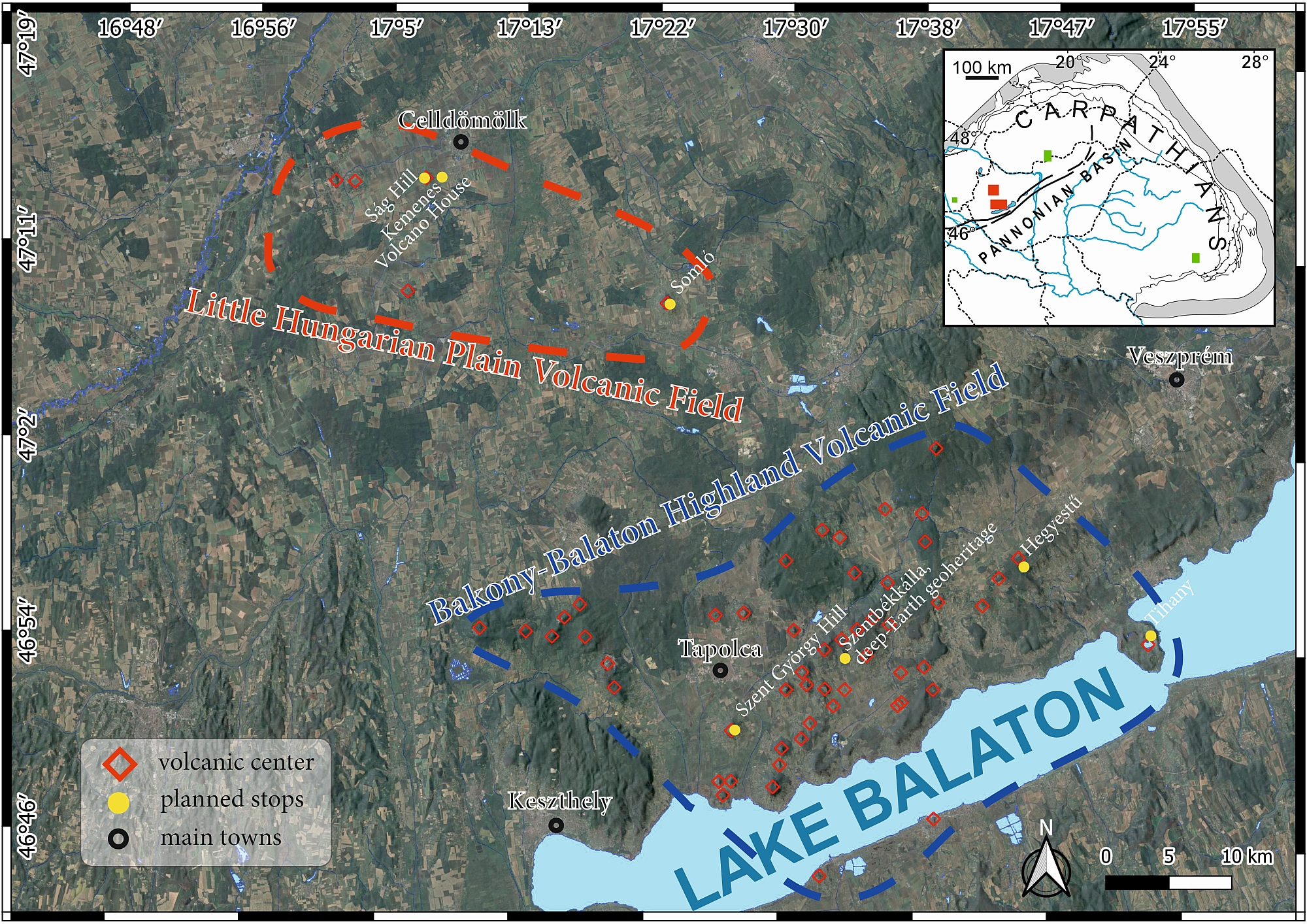
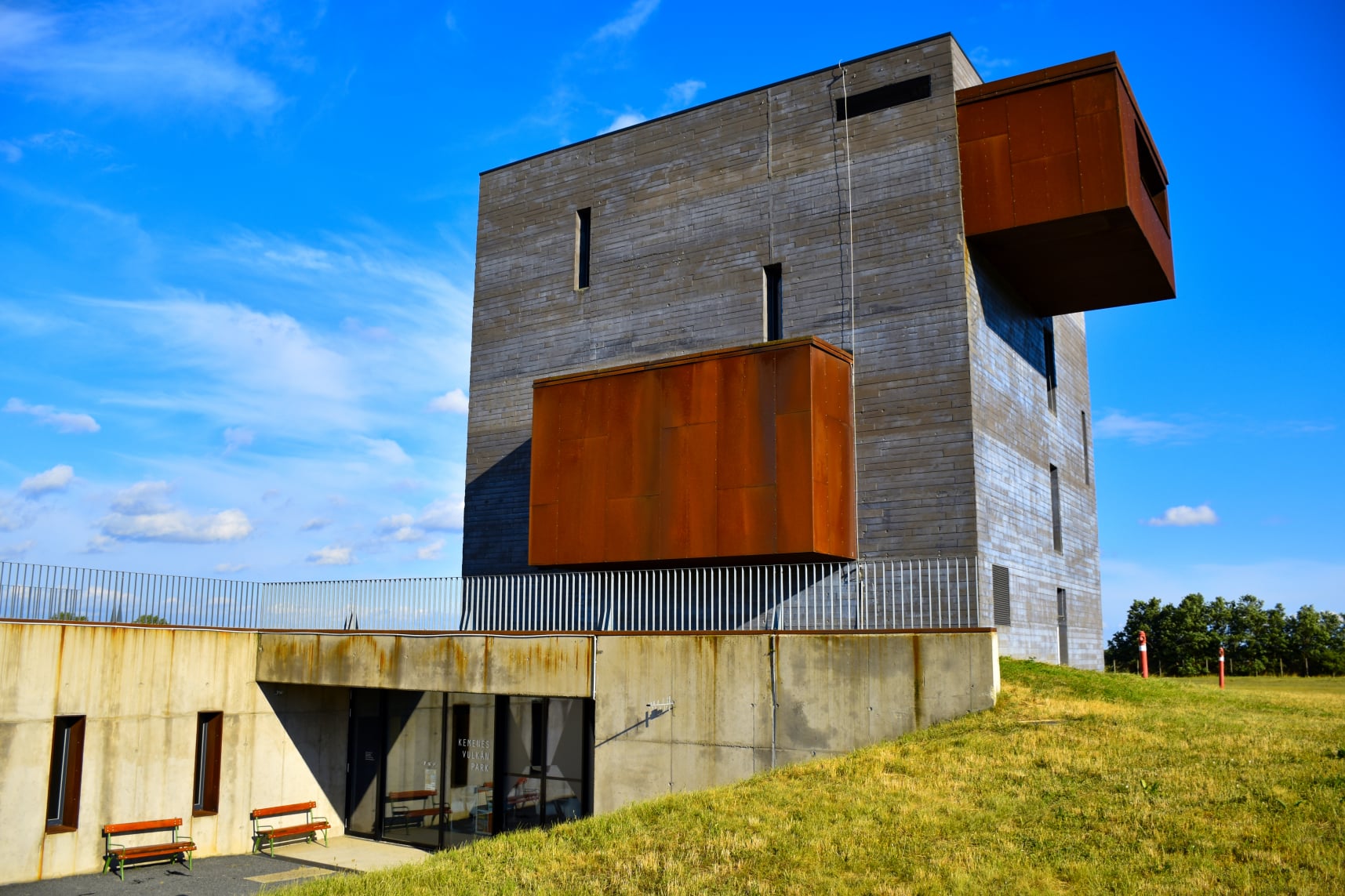
On the intra-conference field trip day, we will visit the Kemenes Volcano House in Celldömölk (kemenesvulkanpark.hu). This is an important geotourism destination located within the Little Hungarian Plain Volcanic Area directly at the foot of the monogenetic Ság Hill. The strikingly designed building covers almost 1.000 square meters and presents the volcanism of the Earth in general, the volcanoes of the Carpathian Basin and Hungary, and finally the local landmark, the 5.5 million-year-old basalt volcano, Ság Hill. Continuing the tour, we will visit the impressive interior of Ság Hill, which, thanks to mining, provides an excellent insight into the sometimes complex processes of monogenetic activity. This provides an opportunity to discover the interrelationship between an important geosite and a geotourism destination. Later, the gala dinner will take place at the foot of another iconic erodoed volcano, Somló, accompanied by a tasting of internationally famous wines.
Planned post-conference field trip:
29 May, 2026
Bakony-Balaton UNESCO Global Geopark
Inverted volcanic landscape (geomorphological inversion), volcano geology, deep-Earth geoheritage (common xenolith occurence)
UNESCO Global Geopark - main geosites, geoturism in volcanic areas, geoconservational efforts for protecting volcanic landscape
Provisional stops:
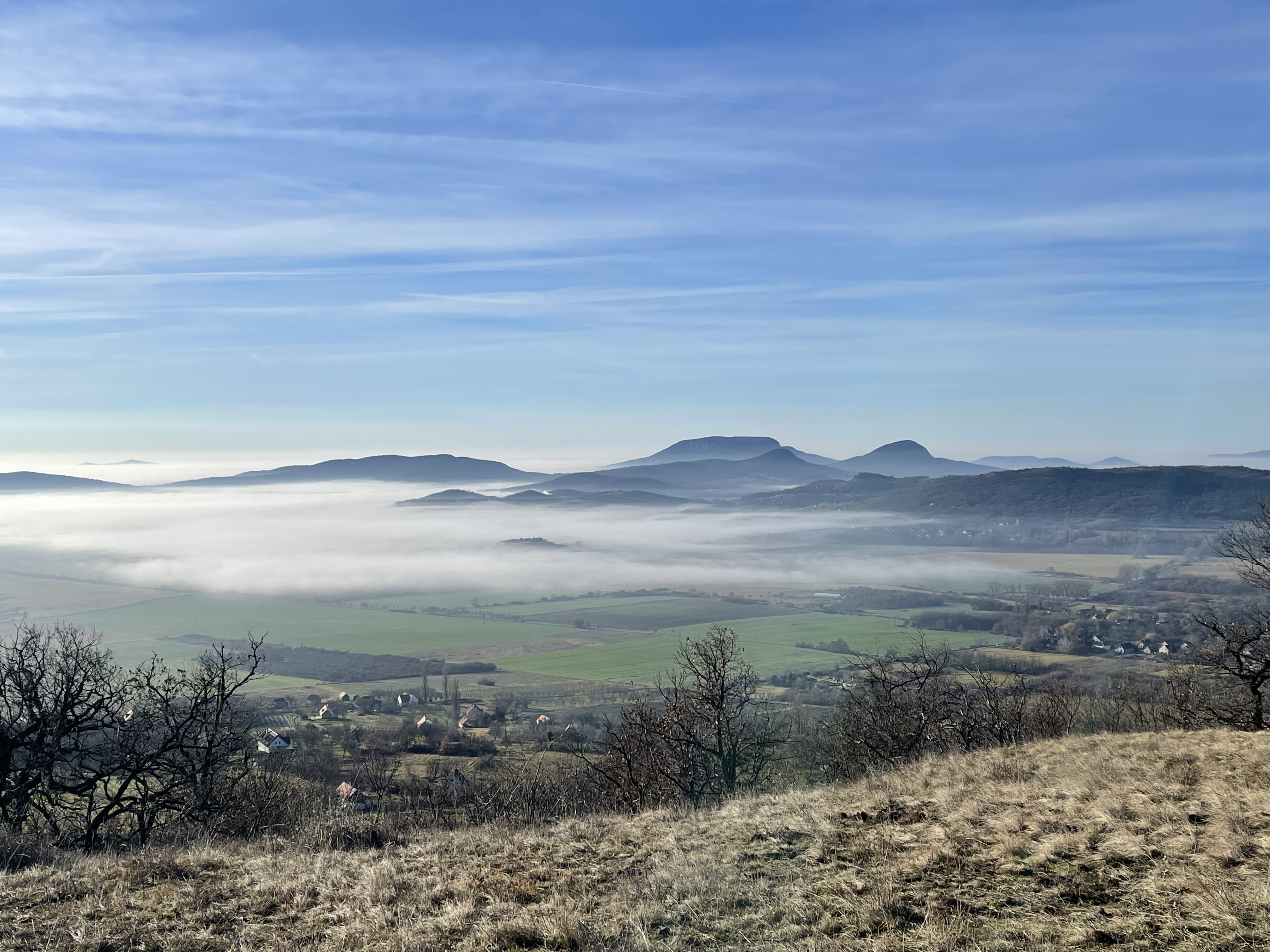
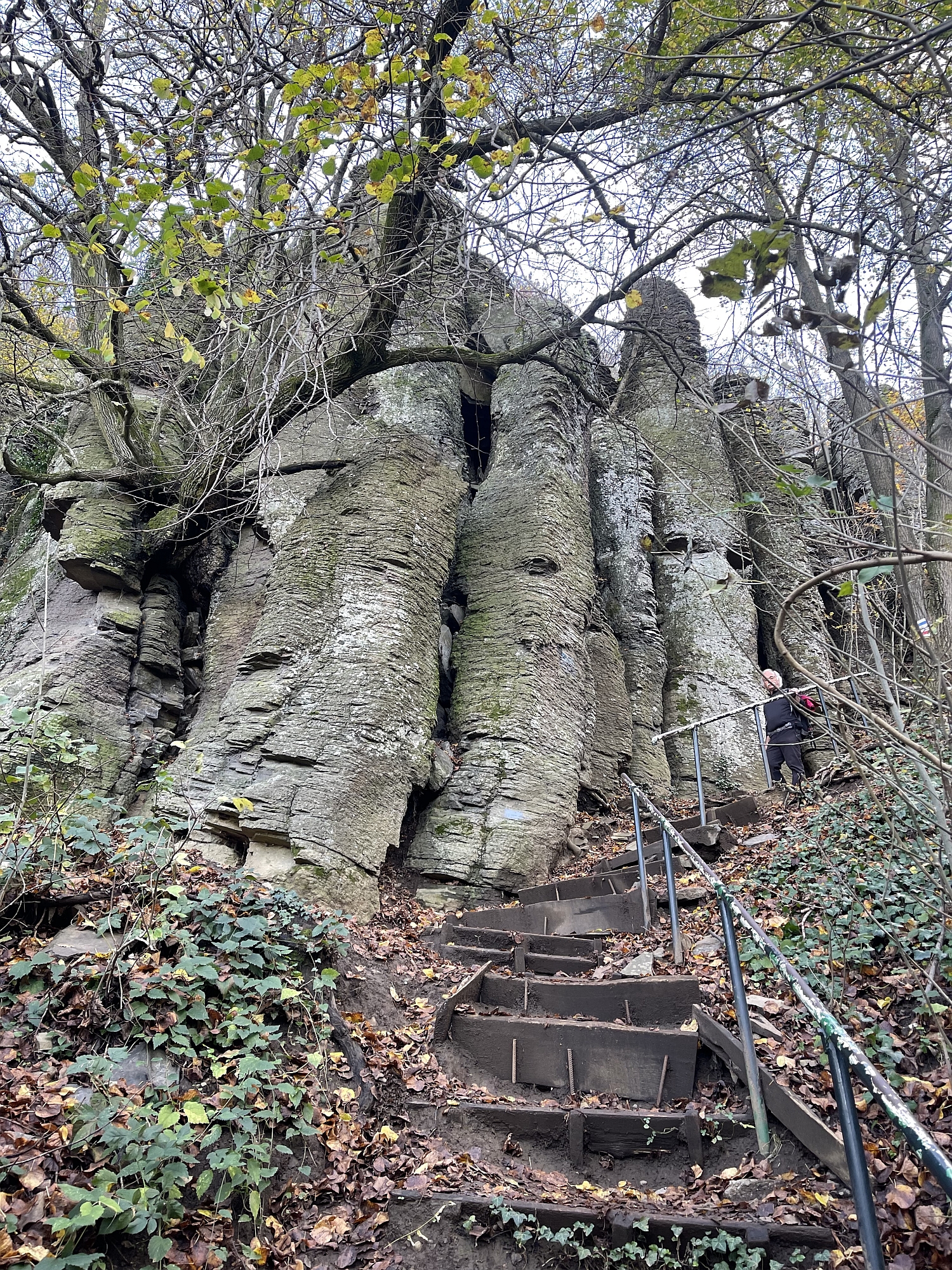
1, Szent György Hill: Spectacular cross-section of a deeply-eroded polycyclic, monogenetic, phreatomagmatic volcano. The famous trail crosses one of the most important (and affected by heavy tourism) geosites of the area: basalt organs, which are slightly-eroded hexagonally-jointed basalt columns, well-known symbols of the area. Spectacular view from the top toward the heart of the Bakony-Balaton Highland Volcanic Field and the Lake Balaton. Related publication: here
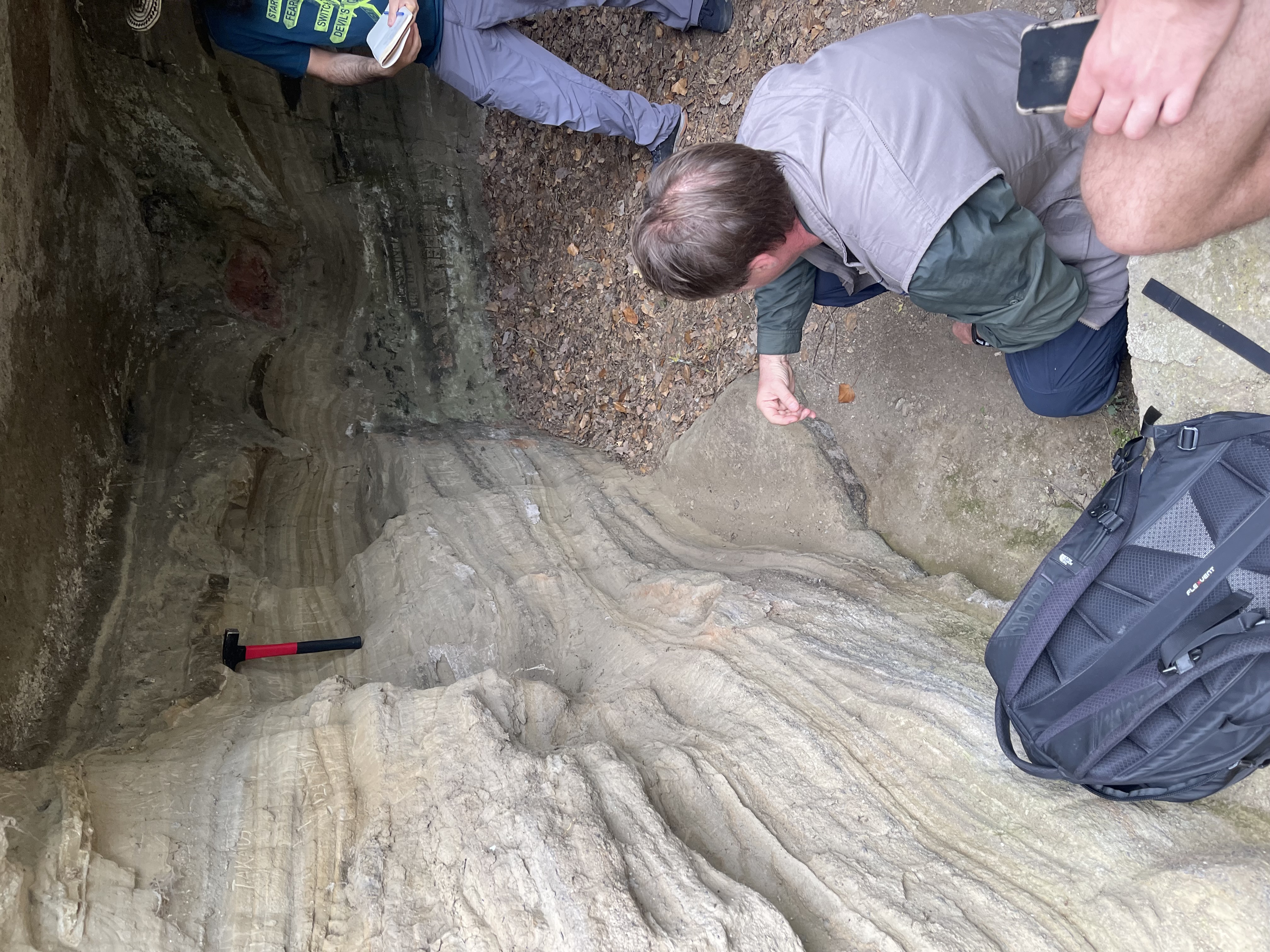
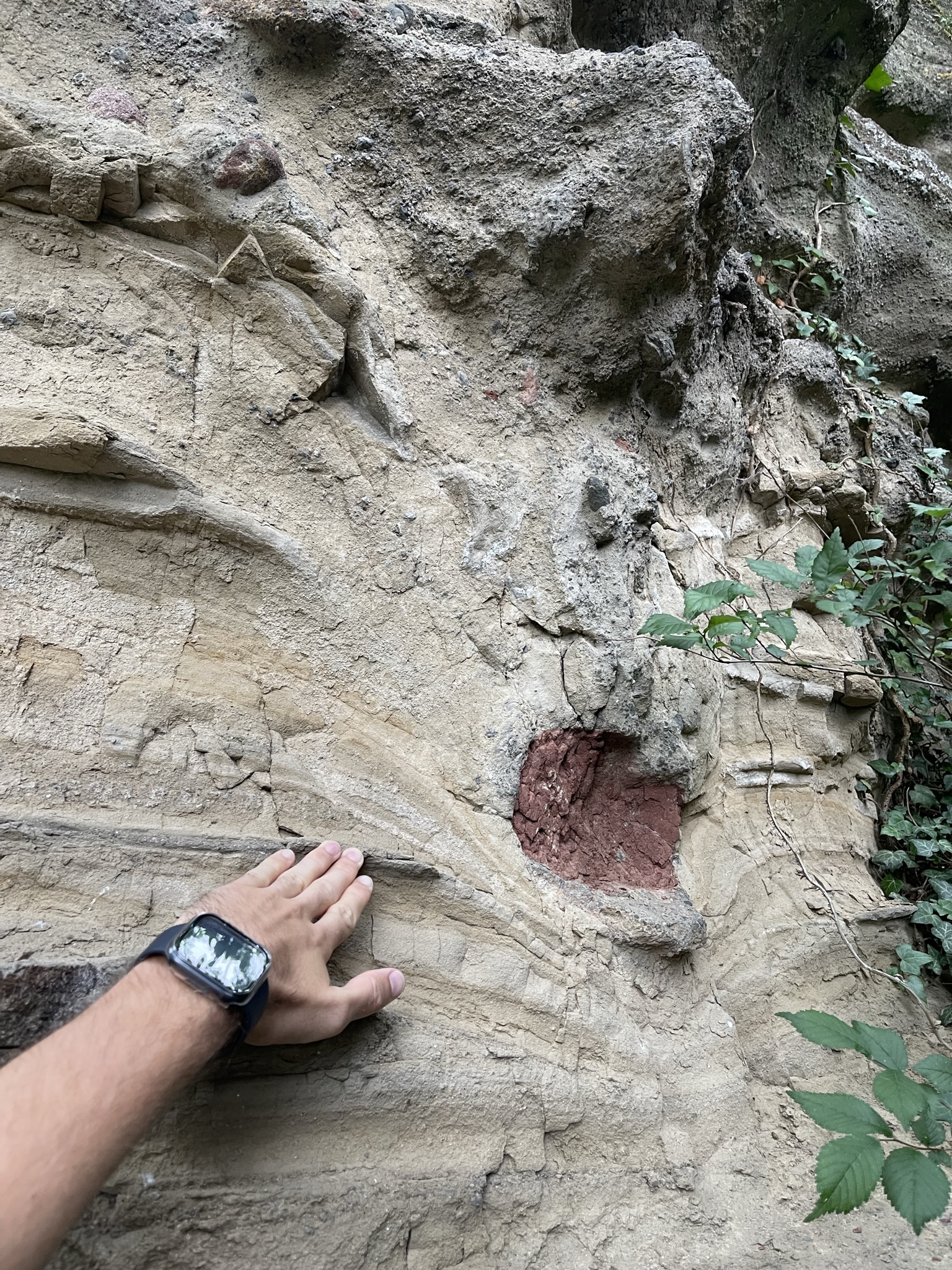
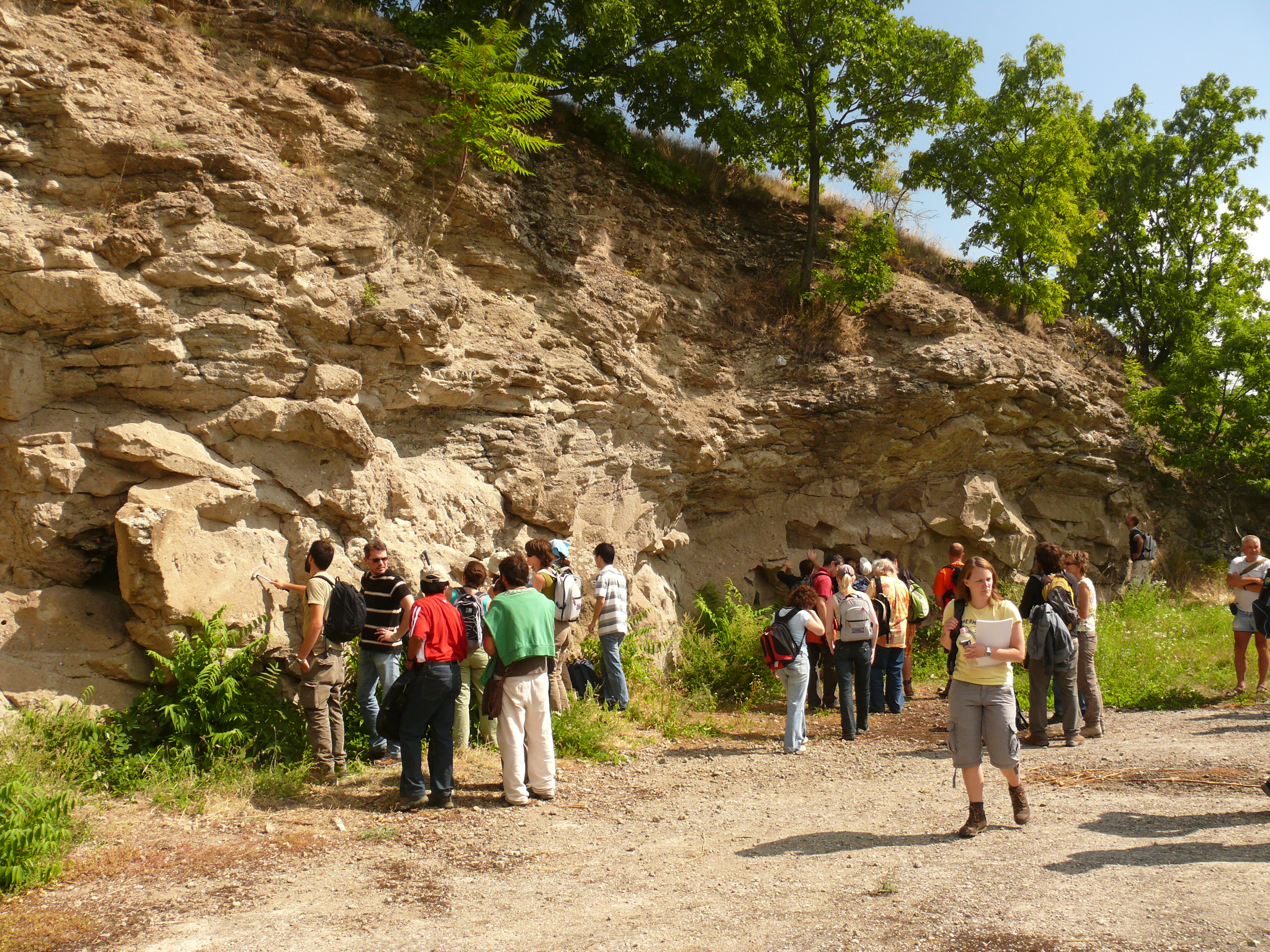
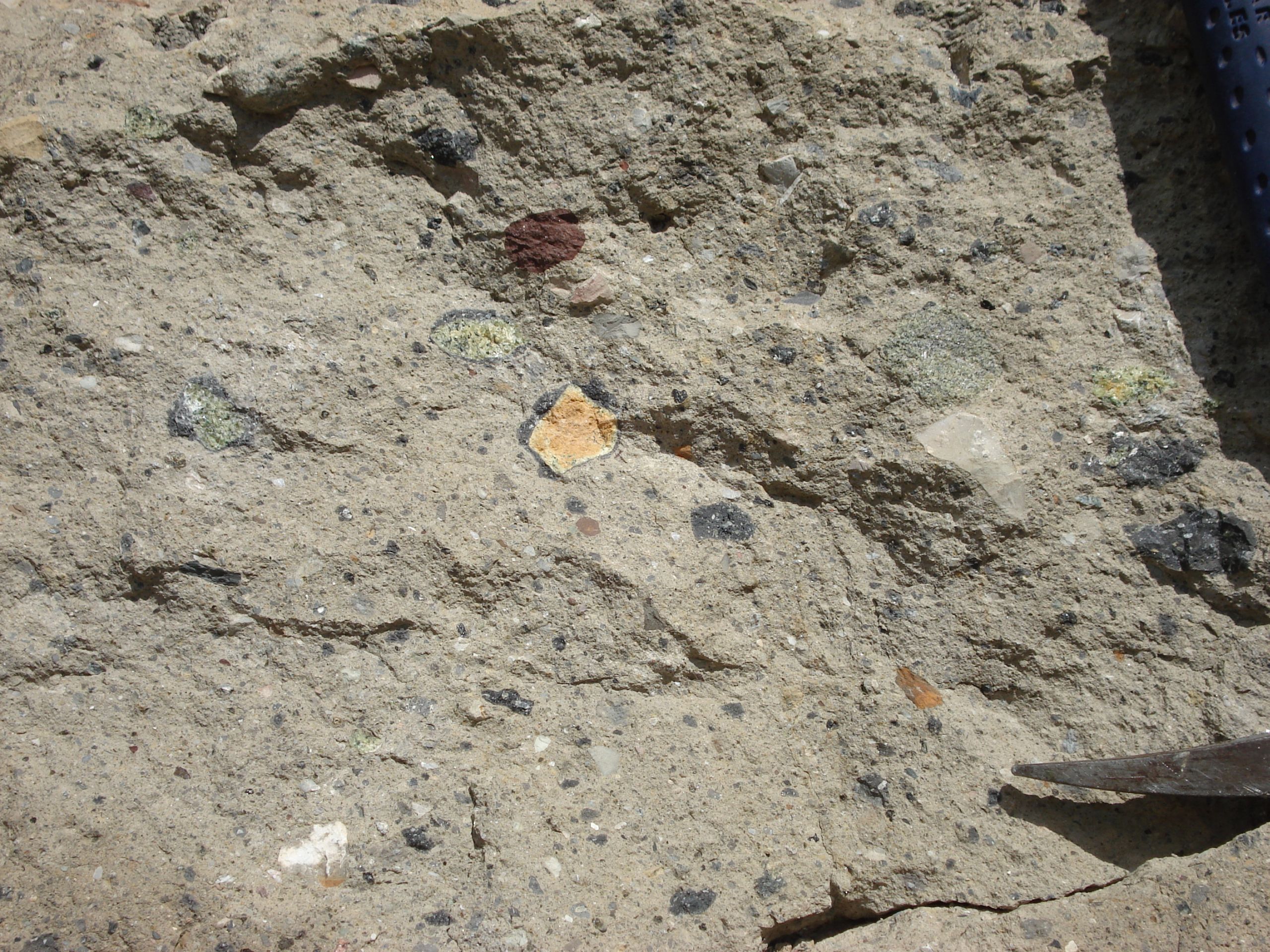
2, Szentbékkálla: Spectacular old mine where a section of a hydroclastic flow (originated from the near tuff ring-scoria cone complex, called Füzes-tó) crops out. The pyroclastic rocks contain abundant mantle xenoliths (mainly lherzolites) highlighting the importance of deep-Earth geoheritage. Here a detailed explanation will be told about the importance a fluid and xenolith research in the area. Related publication: here
3, Hegyestű: One of the symbol of the Bakony-Balaton UNESCO Global Geopark. Hegyestű is a well-exposed Miocene basaltic volcanic neck located in the Balaton Highland. It represents the solidified magma conduit of a former monogenetic volcano, formed by alkaline basaltic magma intruded into unconsolidated Pannonian sediments (magma-sediment mixing and interaction). Subsequent erosion preferentially removed the surrounding softer deposits, leaving the resistant basaltic core as a prominent geomorphological feature. The steep, columnar-jointed basalt reflects slow cooling within the conduit and provides clear evidence of subsurface volcanic processes. Hegyestű is an important geosite, offering insights into Neogene intraplate volcanism, magma–sediment interaction, and landscape evolution in the Pannonian Basin.

4, Tihany: The Tihany Peninsula is a key volcanic area within the Bakony–Balaton Highland Volcanic Field, representing Late Miocene (or Early-Pliocene) monogenetic volcanism. Volcanic activity was dominated by phreatomagmatic eruptions driven by magma–water interaction within a shallow lacustrine and wet sedimentary environment related to Lake Pannon. This resulted in the formation of maar–diatreme volcanoes and tuff rings, composed mainly of well-bedded pyroclastic deposits rich in accretionary lapilli. The peninsula provides exceptional exposures of rocks originated from different eruption styles, maar crater infill, and post-eruptive erosion, making Tihany a key geosite for understanding magma–water interaction, maar volcanism, and post-volcanic landscape evolution in the Pannonian Basin. Related publication: here